
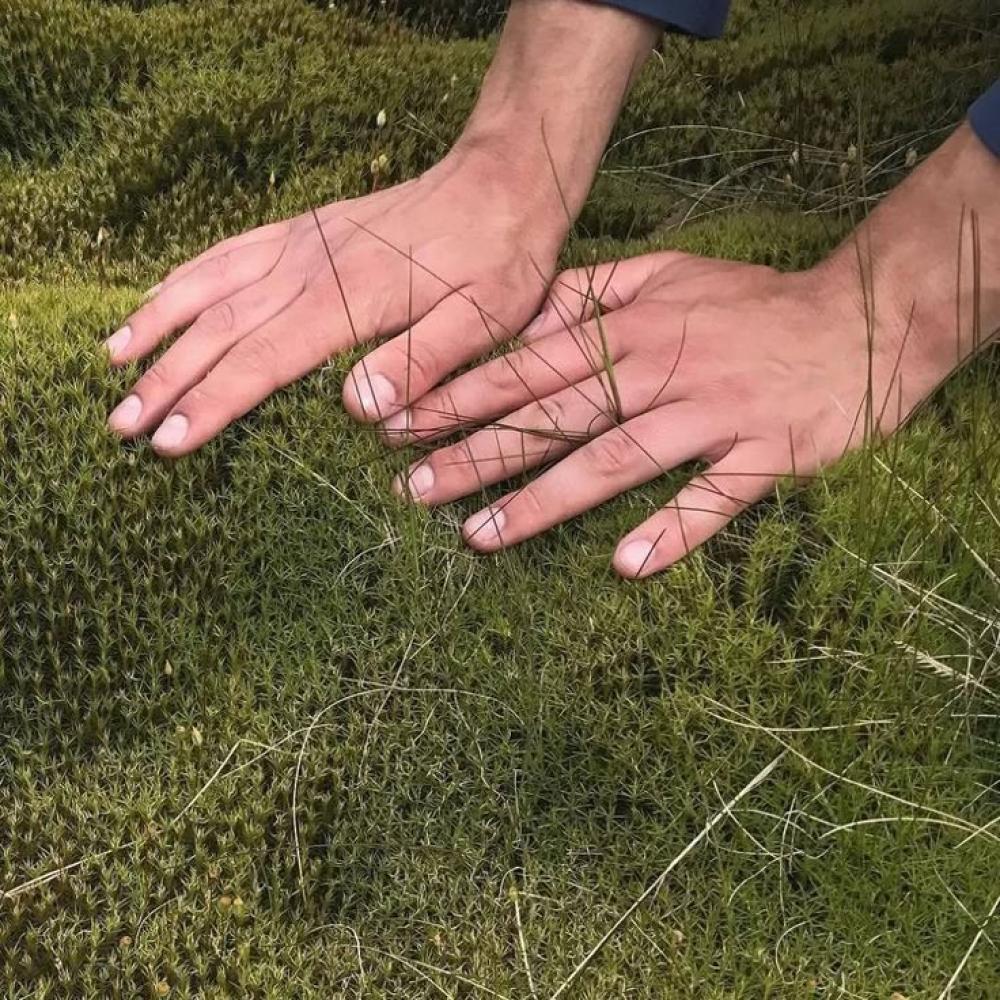
Our feeling of comfort amidst greenery is not a mere coincidence; it is programmed into our DNA. The "Biophilia" theory, proposed by biologist Edward O. Wilson, suggests that humans have an innate tendency to connect with nature.
In urban environments and desk-bound jobs, we suffer from what is called "Nature Deficit," leading to high levels of cortisol (the stress hormone). This is where plants come in as a bridge of restoration, granting us what is known as "Effortless Attention"—a type of focus that relieves the brain from the fatigue of constant analysis and technical noise.
Scientifically Proven Psychological Benefits
This practice has moved beyond being just a "hobby," as modern studies have proven tangible effects of interacting with plants:
1. Reducing Anxiety and Stress Levels
A study published in the Journal of Physiological Anthropology proved that active interaction with indoor plants (such as pruning or watering) reduces psychological and physiological stress compared to mental tasks associated with computers. The repetitive movements and sensory touch of soil and leaves redirect the nervous system from a state of "alert" to a state of "relaxation."
2. Enhancing Focus and Productivity
According to the "Attention Restoration Theory" (ART), looking at plants helps the brain recover from cognitive fatigue. In work environments containing plants, productivity rates rise by up to 15%, as greenery contributes to clearing the mind and reducing distraction.
3. A Sense of Responsibility and Purpose
Nurturing a living being that grows before your eyes grants a sense of achievement. For those suffering from loneliness or depression, the "psychological session" with plants provides a reason to wake up and a feeling that a being depends on them, which enhances self-esteem.
How to Practice Your Psychological Session
To achieve the maximum benefit from the presence of plants in your space, do not treat them as silent decor pieces, but as partners in tranquility:
- Visual Meditation: Dedicate 5 minutes daily to observe the growth of a new leaf or the change in the color of the branches. This type of "mindfulness" breaks the chain of anxious thoughts.
- Color Coordination: Choose relaxing shades of green and distribute them in direct lines of sight (next to your desk or bed).
Conclusion
Plants are not just "air filters" that absorb carbon dioxide; they are soul filters that absorb anxiety and rebroadcast serenity. Allocating daily time to care for your plant is, in fact, an investment in caring for yourself.